
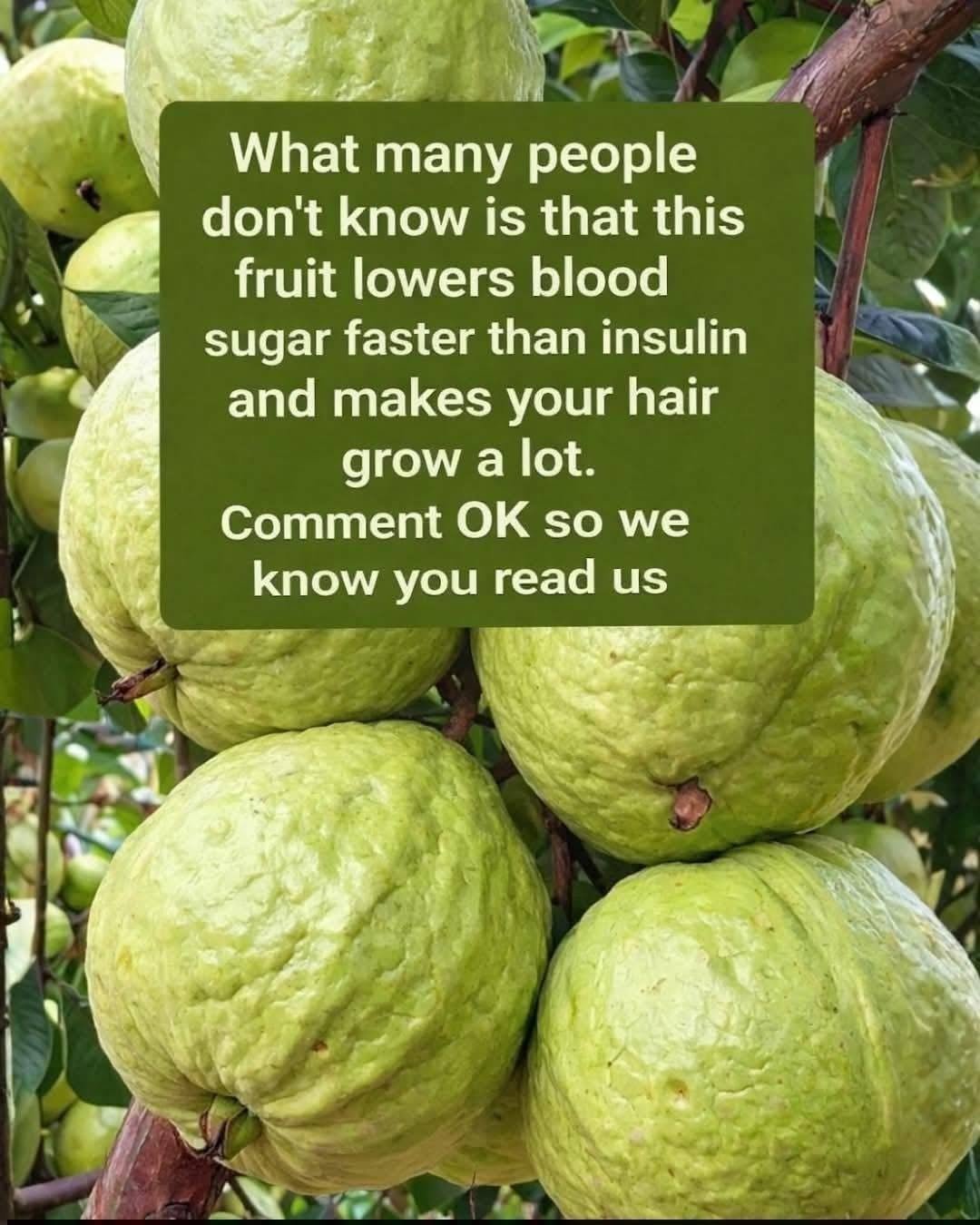
Guava (Psidium guajava): Biochemical Mechanisms for Glycemic Modulation and Trichological Support
Guava, scientifically known as Psidium guajava, is a tropical fruit valued for its distinctive flavor, dietary fiber, vitamin C, and diverse plant compounds. Beyond its nutritional role, guava fruit and guava leaves have attracted scientific interest for their possible effects on glucose metabolism, oxidative stress, inflammation, and scalp health.
These properties have led to growing interest in guava benefits for blood sugar and hair health. However, the quality of evidence differs considerably between the two areas. Research into glucose regulation includes laboratory studies, animal experiments, and a limited number of human trials. Evidence related directly to hair growth remains mostly indirect or preliminary.
Guava should therefore be considered a nutritious food and a promising research subject—not a replacement for diabetes medication, professional hair-loss evaluation, or evidence-based medical treatment.
Nutritional and Phytochemical Profile of Guava
Guava fruit contains dietary fiber, natural carbohydrates, vitamin C, carotenoids, and several phenolic compounds. Guava leaves contain a particularly complex mixture of secondary plant metabolites, including:
- Quercetin
- Rutin
- Gallic acid
- Catechin
- Epicatechin
- Chlorogenic acid
- Ellagic acid
- Kaempferol
- Avicularin
- Isoquercitrin
These compounds are frequently studied for antioxidant, enzyme-modulating, anti-inflammatory, and antimicrobial activities. Their concentrations vary according to the guava variety, maturity, growing conditions, plant part, and extraction method.
This variation is important. Eating fresh guava is not biologically equivalent to consuming concentrated guava leaf extract, drinking guava leaf tea, or applying an extract to the scalp.
How Guava May Influence Blood Sugar Regulation
1. Inhibition of carbohydrate-digesting enzymes
One proposed mechanism involves the digestive enzymes alpha-amylase and alpha-glucosidase.
Alpha-amylase helps break complex starches into smaller carbohydrates, while alpha-glucosidase converts them into absorbable glucose molecules in the small intestine. Slowing these enzymes may reduce the speed at which glucose enters the bloodstream after a carbohydrate-containing meal.
A 2026 laboratory study found that a hydroalcoholic guava extract inhibited both alpha-glucosidase and alpha-amylase. Researchers identified compounds such as quercetin, ellagic acid, myricetin, and gallic acid within the extract. However, these findings came from in-vitro and computer-modeling experiments and do not establish the same effect in humans consuming ordinary guava portions.
2. Possible reduction of intestinal glucose absorption
Guava leaf compounds may also influence how glucose is transported through the intestinal wall.
In a diabetic rat model, an aqueous guava leaf extract reduced glucose absorption from the upper intestine. The study also reported increased insulin levels and greater liver glycogen storage after treatment. These findings suggest several possible metabolic actions, but animal experiments cannot be used to determine an effective or safe human dose.
3. Support for insulin-related signaling
Insulin allows cells to take glucose from the bloodstream and use or store it. Insulin resistance interferes with this process and is a major feature of type 2 diabetes.
Research in diabetic mice has examined metabolites produced by fermenting guava leaf extract with Limosilactobacillus fermentum. The fermented preparation appeared to influence the SIRT1–PGC-1α–PPAR-α signaling pathway, which participates in energy metabolism, fatty-acid oxidation, and liver function.
The treatment improved several metabolic markers in the experimental animals, but the study investigated a specialized fermented preparation rather than fresh guava fruit or standard guava tea.
4. Effects on liver glycogen storage
After a meal, insulin encourages the liver and muscles to store some glucose as glycogen. Impaired glycogen synthesis may contribute to prolonged elevations in blood glucose.
The previously mentioned rat study found that guava leaf extract increased hepatic glycogen content. This suggests that some guava-derived compounds may affect how the liver stores glucose, although confirmation in well-designed human trials is still required.
5. Antioxidant activity and metabolic stress
Persistent hyperglycemia can increase the production of reactive oxygen species. Excessive oxidative stress may damage proteins, lipids, blood vessels, and insulin-producing pancreatic cells.
Guava leaves contain numerous phenolic and flavonoid compounds capable of interacting with free radicals in laboratory tests. Their antioxidant properties may help explain some of the metabolic effects observed in experimental research. Nevertheless, antioxidant activity measured in a laboratory does not automatically translate into prevention or treatment of diabetes in humans.
6. Potential interaction with the gut microbiome
Emerging research suggests that the intestinal microbiome may influence glucose metabolism, inflammation, insulin sensitivity, and appetite regulation.
A 2026 zebrafish study reported that wild guava leaf extract changed gut-microbial composition, reduced the expression of the intestinal glucose transporter SGLT1, normalized insulin-receptor expression, and moderately increased GLP-1-related activity. These findings are scientifically interesting but remain preclinical and cannot yet be converted into dietary recommendations for humans.
What Human Studies Show
Human evidence is much more limited than laboratory and animal evidence.
One small randomized study examined 45 healthy participants who consumed 400 grams of ripe guava daily for six weeks. Participants were divided into groups consuming guava with peel, guava without peel, or no guava supplementation.
The results were mixed. The group consuming guava without peel experienced favorable changes in several lipid measurements, while the reduction in fasting glucose was not statistically significant. In the group consuming guava with peel, fasting glucose, total cholesterol, and triglycerides increased during the study.
The small sample, the inclusion of healthy participants rather than people with diabetes, and the unusually large daily serving make the findings difficult to generalize.
Therefore, existing evidence does not prove that guava fruit or guava leaf tea can reliably lower blood sugar in people with diabetes.
Guava and Hair Health
Guava is frequently promoted online as a natural remedy for hair growth. The scientific evidence is far less developed than many of these claims suggest.
No strong clinical evidence currently demonstrates that eating guava, drinking guava leaf tea, or applying homemade guava preparations can reverse androgenetic alopecia, alopecia areata, postpartum hair loss, or other medically diagnosed forms of hair loss.
However, guava may offer several indirect forms of trichological support.
Potential Mechanisms for Scalp and Hair Support
1. Antioxidant protection
Hair follicles are metabolically active structures that may be affected by oxidative stress. Guava contains vitamin C and phenolic compounds with antioxidant activity.
These nutrients may contribute to normal cellular protection when guava is consumed as part of a balanced diet. This is nutritionally relevant, but it does not demonstrate that guava directly activates dormant follicles or produces measurable hair regrowth.
2. Vitamin C and collagen formation
Vitamin C is required for normal collagen synthesis. Collagen contributes to the structure of the dermis surrounding hair follicles and blood vessels.
Vitamin C also enhances the absorption of non-heme iron from plant foods. This may be helpful because insufficient iron availability is one possible contributor to diffuse hair shedding in susceptible individuals.
Fresh guava can therefore support overall nutritional adequacy, particularly when paired with iron-containing foods such as lentils, beans, seeds, or leafy vegetables. It should not, however, be presented as a treatment for iron-deficiency hair loss without blood testing and medical guidance.
3. Antimicrobial potential
Some scalp conditions are associated with changes in microbial balance, irritation, or fungal overgrowth. Guava leaf extracts have demonstrated antibacterial and antifungal activity in laboratory settings.
A recent formulation study incorporated guava leaf extract into a ketoconazole shampoo and evaluated its ability to preserve the product against microbial contamination. The extract demonstrated antimicrobial activity and formulation stability at certain concentrations. However, the study primarily examined preservation efficacy, not hair growth or treatment outcomes in people with scalp disease.
4. Possible anti-inflammatory activity
Chronic scalp inflammation can interfere with scalp comfort and may accompany several dermatological disorders.
Flavonoids and phenolic acids in guava leaves have shown anti-inflammatory potential in experimental studies. This creates a plausible biochemical basis for further investigation, but direct clinical evidence for guava-based scalp treatments remains insufficient.
5. Nutritional support for normal hair formation
Hair growth depends on adequate energy, protein, iron, zinc, vitamin D, vitamin B12, folate, and other nutrients.
Guava can contribute vitamin C, fiber, and protective plant compounds to the diet, but it does not supply all the nutrients needed for hair growth. A guava-rich diet will not compensate for low protein intake, severe calorie restriction, thyroid disease, iron deficiency, hormonal disorders, medication effects, or genetic hair loss.
Guava Fruit Versus Guava Leaves
Guava fruit and guava leaves should not be treated as interchangeable products.
Guava fruit
Fresh guava provides food-based nutrition, including fiber, natural carbohydrates, vitamin C, and plant compounds. It can be included in a balanced diet in moderate portions.
Eating the whole fruit generally provides more fiber than drinking guava juice. Fiber slows digestion and may support a more gradual post-meal glucose response.
Guava leaves
Guava leaves are commonly prepared as teas, decoctions, powders, or concentrated extracts. These preparations may contain higher quantities of specific polyphenols, but their composition is less predictable.
The dose used in laboratory studies may differ greatly from the amount present in homemade tea. Concentrated herbal extracts may also interact with medication or cause unwanted effects.
How to Include Guava in a Balanced Diet
Guava can be eaten:
- Fresh and sliced
- Added to plain yogurt
- Combined with nuts or seeds
- Mixed into fruit salads
- Blended into smoothies without added sugar
- Served with oats or chia pudding
For a more balanced snack, combine guava with a source of protein or healthy fat, such as unsweetened yogurt, almonds, walnuts, or natural peanut butter.
People monitoring their glucose should consider the total portion, the ripeness of the fruit, other carbohydrates in the meal, and their individual glucose response.
Guava juice, sweetened guava drinks, syrups, jams, and processed guava desserts may contain large amounts of rapidly absorbed sugar and should not be assumed to offer the same metabolic effects as whole fruit.
Can Guava Leaves Be Applied to the Hair?
Homemade guava leaf rinses are popular in traditional beauty routines, but their ability to stimulate hair growth has not been confirmed by reliable clinical trials.
Applying plant preparations directly to the scalp can also cause:
- Irritation
- Itching
- Allergic reactions
- Dryness
- Product buildup
- Contamination when stored improperly
A patch test cannot guarantee that a preparation is safe for the entire scalp. Anyone with persistent itching, scaling, redness, scalp pain, sudden shedding, bald patches, or progressive thinning should consult a dermatologist rather than relying exclusively on home remedies.
Safety Considerations
Whole guava fruit is generally consumed as food, but individual tolerance and medical needs vary.
People using insulin or glucose-lowering medication should not add concentrated guava leaf supplements for the purpose of reducing glucose without professional advice. Combining unstandardized herbal preparations with medication may increase the risk of unpredictable blood-sugar changes.
Pregnant or breastfeeding individuals, children, and people with liver, kidney, or gastrointestinal conditions should seek qualified medical advice before using concentrated guava leaf extracts.
Guava should never replace:
- Prescribed diabetes medication
- Blood-glucose monitoring
- A medically recommended diet
- Dermatological diagnosis
- Evidence-based hair-loss treatment
Frequently Asked Questions
Does guava lower blood sugar?
Laboratory and animal research suggests several possible glucose-modulating mechanisms, including digestive-enzyme inhibition and reduced intestinal glucose absorption. Human evidence remains limited and inconsistent, so guava should not be considered a proven glucose-lowering treatment.
Is guava safe for people with diabetes?
Whole guava may fit into many diabetes-friendly diets when consumed in an appropriate portion. Individual glucose responses differ, and people with diabetes should consider the fruit’s carbohydrate content within the rest of the meal.
Is guava leaf tea better than guava fruit?
They are different preparations. Guava fruit provides fiber and nutrients as food, while leaf tea contains a variable concentration of plant compounds. There is not enough evidence to conclude that guava leaf tea is safer or more effective for glucose control.
Can guava leaves regrow hair?
There is currently no strong clinical evidence that guava leaves regrow hair or reverse established hair-loss disorders. Laboratory findings concerning antioxidant, anti-inflammatory, and antimicrobial activity do not prove hair-regrowth effectiveness.
Does guava help with scalp infections?
Guava leaf extracts have demonstrated antimicrobial activity under laboratory conditions. This does not mean a homemade rinse can diagnose or treat dandruff, fungal infection, psoriasis, dermatitis, or other scalp disorders.
How often should guava be eaten?
There is no scientifically established dose required to obtain a therapeutic effect. Guava can simply be included in a varied diet according to personal nutritional requirements and tolerance.
Final Perspective
Guava is a nutrient-rich tropical fruit with a complex phytochemical profile. Its fiber, vitamin C, flavonoids, and phenolic acids make it a valuable addition to a balanced diet.
Experimental studies suggest that guava leaf compounds may affect carbohydrate-digesting enzymes, intestinal glucose absorption, insulin-related pathways, liver glycogen storage, oxidative stress, and the gut microbiome. However, most mechanistic evidence comes from laboratory or animal research, while human studies remain limited.
For hair and scalp health, guava offers plausible nutritional, antioxidant, and antimicrobial support, but direct evidence for hair regrowth is currently insufficient.
The most scientifically responsible conclusion is that guava may support general nutrition and deserves further research, but it should not be promoted as a cure for diabetes, hair loss, or scalp disease.
References
- Kumari S, Rakavi R, Mangaraj M. Effect of guava on blood glucose and lipid profile in healthy human subjects: a randomized controlled study. Journal of Clinical and Diagnostic Research. 2016.
- Rahman MH et al. Elucidation of anti-hyperglycemic activity of Psidium guajava leaf extract in a diabetic rat model. Journal of Ayurveda and Integrative Medicine. 2023.
- Pathaw N et al. Comprehensive metabolite profiling and enzyme inhibitory potential of Psidium guajava hydroalcoholic extract. Chemistry & Biodiversity. 2026.
- Kumar M et al. Guava leaves: nutritional composition, phytochemical profile, and health-promoting bioactivities. Foods. 2021.
- Dang NDT et al. Wild guava leaf extract and metabolic regulation in a zebrafish model of type 2 diabetes. Natural Product Research. 2026.
- Studies investigating fermented guava leaf metabolites and hepatic energy metabolism through SIRT1–PGC-1α signaling in experimental diabetes.
Medical disclaimer: This article is intended for educational purposes only. It does not provide medical diagnosis or treatment. Consult a qualified healthcare professional before using guava leaf extracts or supplements for blood-sugar management, scalp conditions, or hair loss.